Is Quality the Enemy in Manufacturing?


You’re on the floor during an audit. A clipboard walks in, and tension follows. Conversations die down. Someone mutters, “Here comes quality.” You’ve seen it. You’ve felt it. The moment when support gets mistaken for surveillance.
I recently sat down with Steve Povenz, a veteran quality leader with decades of experience at manufacturers like Haworth and Gentex. He’s built plant-floor audit systems, led cross-functional teams, and knows exactly how and why quality teams get cast as the bad guys. It’s not because they don’t care – it’s because they tend to show up only when something’s wrong, and in the wrong way.
Instead of being seen as problem-solvers, they’re seen as problem identifiers. And when that dynamic sets in, even good intentions start to look like blame.
We surveyed 1,000 manufacturing professionals to better understand how quality is perceived. See the results in our research report: Are Leaders and Frontline Teams Aligned?
The Myth: Quality is Out to Catch Mistakes
Steve described what’s become a familiar story in manufacturing: quality shows up, and the reaction isn’t “thanks” — it’s “what did we do wrong?”
That reaction doesn’t happen in a vacuum. It’s the result of years of pattern recognition on the floor. Clipboards, compliance checks, corrective actions, they all start to tell the same story: quality is here to point fingers.
And the message spreads quickly. Operators begin to associate audits with negativity. Supervisors brace themselves every time someone from quality walks in. It creates a culture where people hide issues instead of raising them, even when they know something’s off.
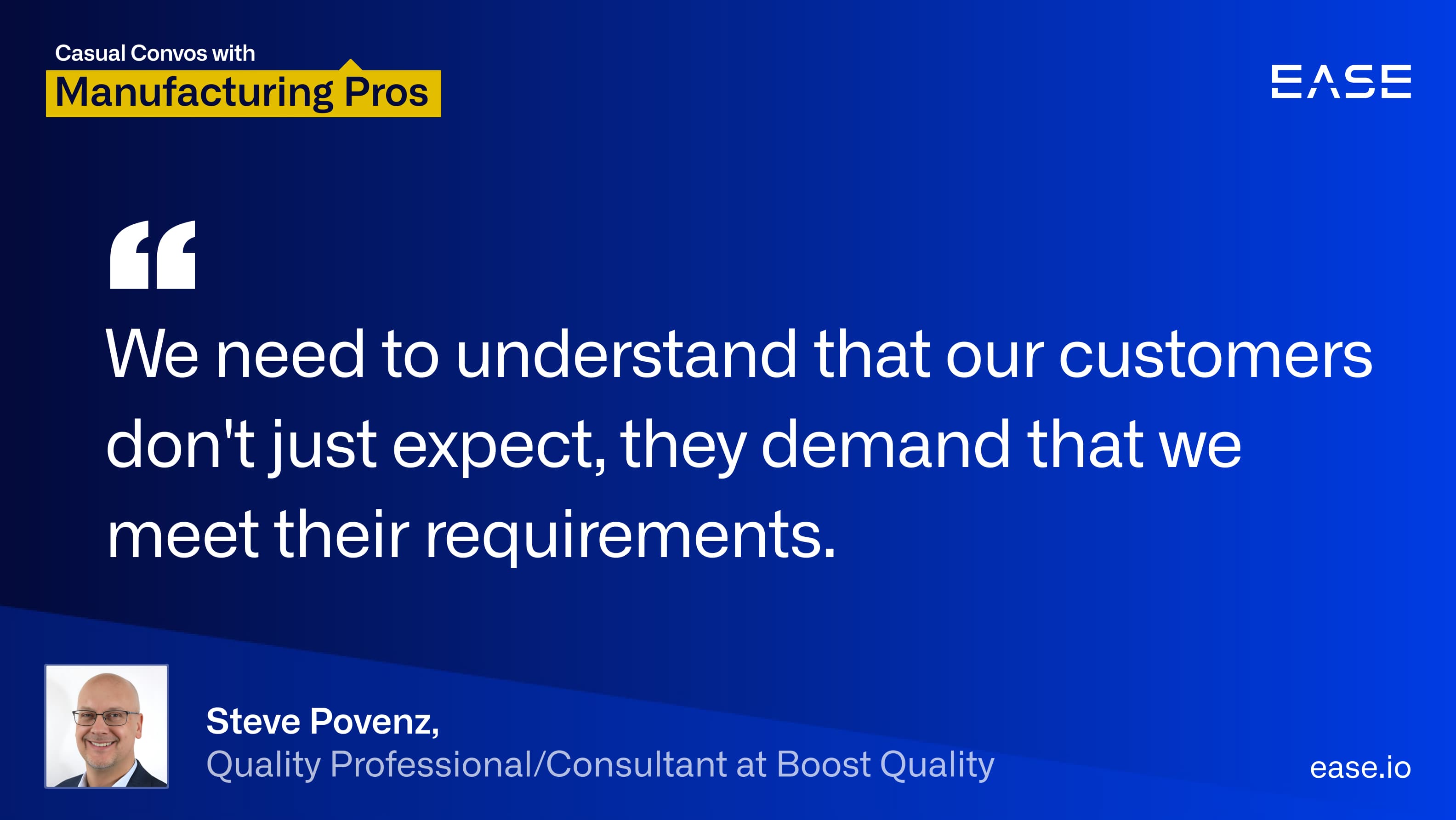
It’s not about bad intentions. In most cases, the audit is being done by someone with experience and context — someone who genuinely wants to help. But the system around them reinforces the wrong narrative. As Steve put it, if the only time your team sees you is when something’s wrong, you’re going to be seen as the problem.
That’s when the myth takes hold: quality is out to catch mistakes, not to help prevent them. And that myth can be hard to shake.
The Consequences of That Perception
Once quality is seen as the enemy, the damage spreads fast.
Teams stop seeing audits as opportunities and start seeing them as threats. Engagement drops. Conversations turn defensive. Instead of surfacing issues early, people stay quiet, hoping to avoid getting “caught.”
Steve saw how this played out on the floor. Quality became reactive and siloed. Audits weren’t driving change; they were driving distance. Operators didn’t feel responsible for improvement because, to them, it wasn’t their job anymore.
Then Steve said something that stuck with me: “We didn’t even know who was doing the work… That opened my eyes.”
That’s what happens when quality isn’t integrated. People disengage. Data loses context. And the people closest to the problems are left out of the solution.
Quality loses its power to actually improve anything.
The Reality: Quality Should Drive Performance, Not Fear
Steve realized that to change how people felt about quality, he had to change how they experienced it.
That meant showing up differently — not as an auditor with a checklist, but as a partner with a purpose. Instead of walking around pointing out what’s wrong, he started walking with operators, asking what they were seeing, and solving problems together.
That shift created ownership. Real audits became real-time coaching. Instead of being done to the team, they were done with them. Data was shared. Improvements were tracked. Everyone saw where things stood and what needed to change.
That’s when alignment started to take root.
How to Flip the Script on Quality Audits
Steve didn’t just shift his mindset — he changed the system around him.
Here’s how he flipped the script:
- Make audits collaborative, not isolated. Invite operators and supervisors into the process. Shared visibility builds shared responsibility.
- Communicate intent. Teams know it’s about making things better, not catching mistakes. That alone changes how they respond.
- Track and close actions transparently. When people can see the follow-through, they’re more likely to speak up again.
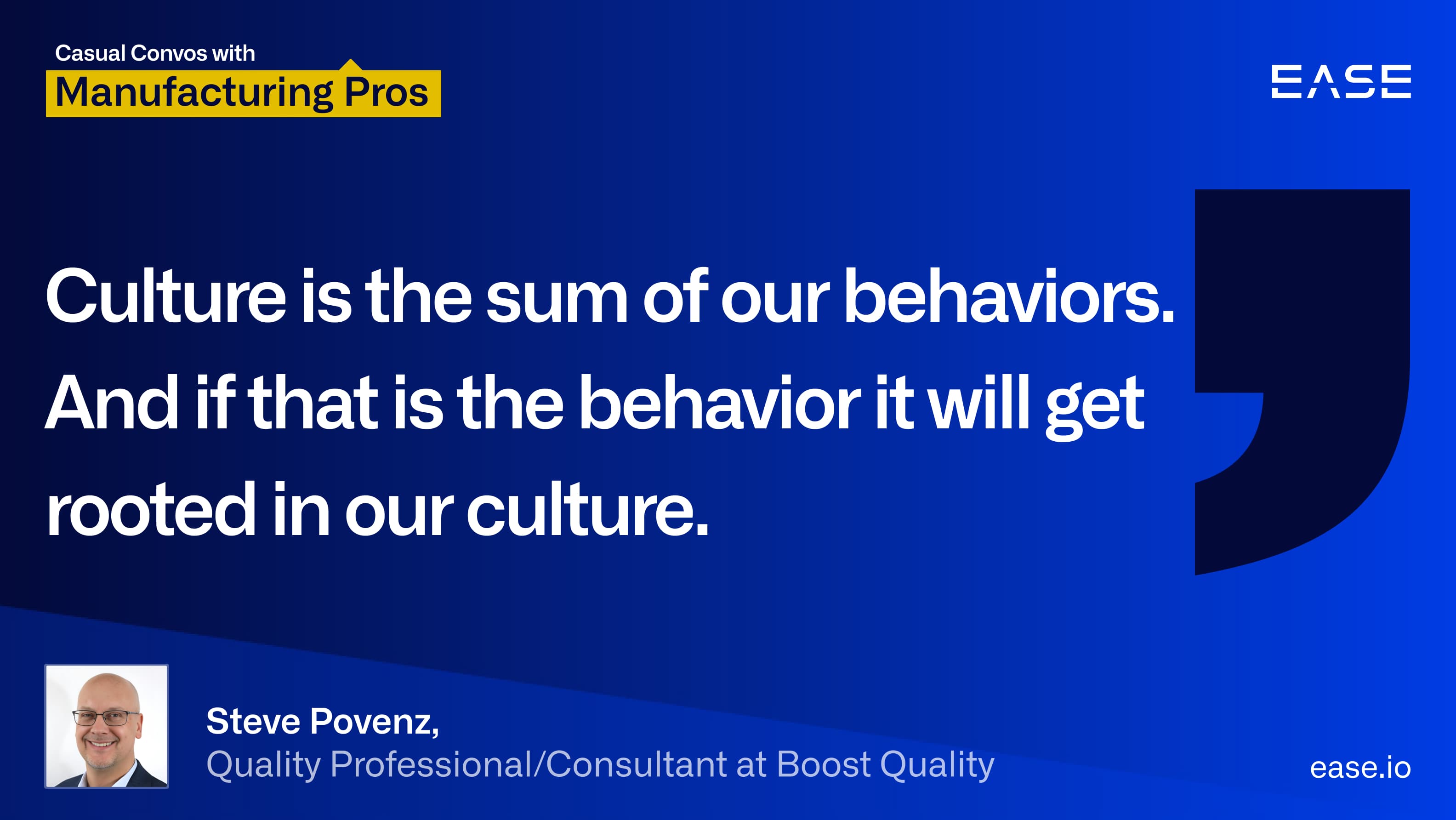
These small shifts add up. The right tools help, but the transformation happens when people start believing audits are a tool for them, not against them.
If Quality Feels Like the Enemy, it’s Time to Reframe the Mission
The perception of quality as a punisher isn’t just unfair, it’s a missed opportunity.
Steve reminded me that how we show up shapes how quality is received. If we approach audits as an exercise in blame, people shut down. But when we show up to support, coach, and follow through, things shift.
That’s not just theory. It’s something Steve lived. He saw the resistance, felt the tension, and decided to change it. Not with a slogan, but with daily behaviors, transparency, and shared ownership.
If your team dreads audits or treats quality like a separate department, it’s worth asking: What signals are we sending?
Start by changing how you show up, and the rest tends to follow.
Listen to the full episode of the Shop Floor, Top Floor Talk Show to hear exactly how Steve turned audit fatigue into alignment.